Egypt has outlined the initial framework of its National Economic Transformation Programme for 2027–2030, targeting economic growth of 6.8% by the end of fiscal year 2029/2030, while focusing on macroeconomic stability, private-sector participation and improving living standards.
The programme rests on three main pillars: strengthening economic stability and the quality of growth, expanding the private sector’s contribution to economic activity and productivity, and improving citizens’ quality of life, according to a statement issued by the Ministry of Planning and Economic Development.
The initiative comes as Egypt prepares for the end of its current economic reform programme with the International Monetary Fund (IMF) in December 2026, with the government working on a new economic vision aligned with national priorities and development targets.
Four pillars and 185 key measures
The programme comprises four main pillars, 40 targets, 185 key measures, 20 legislative reforms and 25 institutional reforms. Implementation will be tracked through 150 performance indicators, according to the ministry.
Its framework focuses on maintaining macroeconomic stability and fiscal sustainability, adhering to debt limits, improving revenue collection and enhancing public spending efficiency. It also seeks to lower inflation and introduce new financing mechanisms, including guarantees for infrastructure financing.
The government aims to reduce inflation to 7% and unemployment to 5.5% by FY2029/2030, alongside raising economic growth from 5.1% currently to 6.8%.
Five sectors at the centre of the programme
The programme identifies agriculture, manufacturing, communications and information technology, tourism and energy as five priority sectors.
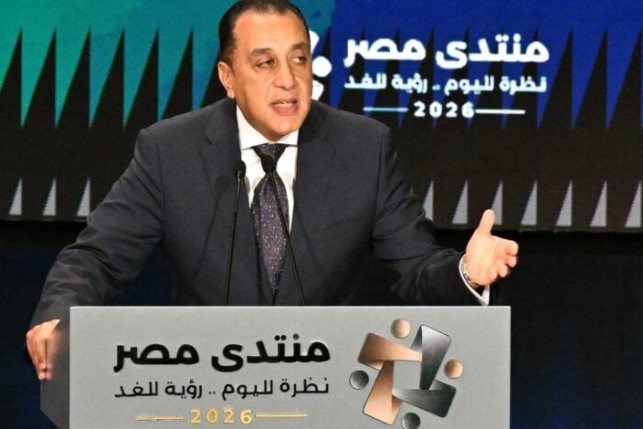
Planning Minister Ahmed Rostom said the sectors collectively account for around 50% of Egypt’s real economic growth and approximately 40% of gross domestic product (GDP).
They also attracted around $3.1 billion in investment inflows during the first half of the previous fiscal year and account for approximately 40% of total employment, according to the minister.
The government aims to strengthen the contribution of these sectors through greater integration, investment and productivity gains.
Financing and private-sector participation
The programme will rely on diversified financing mechanisms, with an emphasis on expenditure governance and partnerships with the private sector. The government also plans to launch an interactive map of projects under the 2027–2030 programme.
The initiative is intended to support investor confidence in Egypt’s economic policy framework as the country approaches the completion of its current IMF programme, valued at $8 billion.
The IMF is expected to begin discussions on the programme’s final review following its annual meetings this month, with completion targeted by December. Approval of the review would pave the way for the disbursement of the remaining loan tranche, subject to the fund’s Executive Board approval.
Jihad Azour, the IMF’s director of the Middle East and Central Asia Department, said earlier this month that once the review is completed, the fund could discuss Egypt’s plans and priorities with the authorities, including whether they wish to pursue another programme.
The Egyptian government has not announced plans to seek a new IMF programme after the current arrangement expires. Azour said the fund would consider a new request if Egypt decided to submit one.