Egypt aims to raise the minimum monthly wage for government employees by 87.5%, from EGP 8,000 to EGP 15,000 by fiscal year 2029/2030, Prime Minister Mostafa Madbouly said on Saturday.
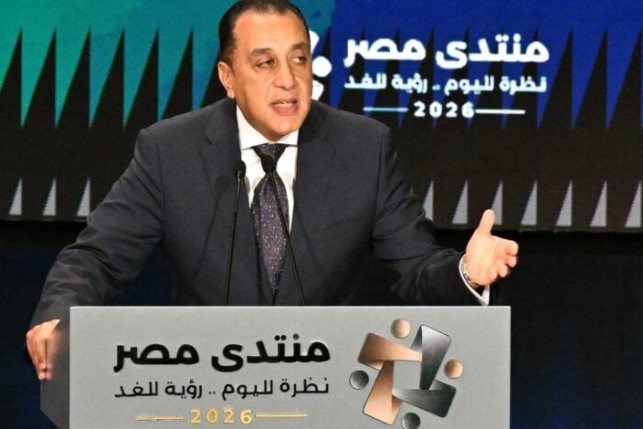
The proposed increase would cover around 4.5 million employees in the state’s administrative apparatus. Madbouly announced the target during the closing session of Egypt Forum 2026, saying it forms part of the presidential recommendations arising from the forum.
He did not specify how the increase would be implemented or whether it would be introduced gradually over the coming years.
The announcement comes as Egyptian households face continued cost-of-living pressures, with higher global energy prices and the depreciation of the Egyptian pound increasing import costs and adding pressure on the state budget. The US dollar exceeded EGP 55 last week.
The government raised the minimum monthly wage for public-sector employees to EGP 8,000 in July 2026, up from EGP 7,000 in July 2025. The increase was part of a package that included a 21% rise in budget allocations for wages.
Madbouly also said the government plans to launch a national economic transformation programme in December, covering the following three years. The announcement comes as Egypt approaches the end of its current financing programme with the International Monetary Fund (IMF) at the end of 2026, with the government indicating that it does not intend to seek a new financing agreement.
Egypt outlined the initial framework of the programme on Friday, covering the 2027–2030 period. Its priorities include strengthening economic stability, empowering the private sector and improving quality of life.
The programme targets economic growth of 6.8% by FY2029/2030, alongside reducing inflation to 7% and unemployment to 5.5%. It identifies agriculture, industry, communications and information technology, tourism and energy as priority sectors.
Egypt is preparing for the eighth and final review of its current $8 billion IMF programme, which could unlock a remaining tranche of around $1.5 billion, subject to approval by the fund’s Executive Board.
Egypt is also facing higher costs associated with global oil prices. President Abdel Fattah El-Sisi said during the forum on Thursday that the burden resulting from rising petroleum prices exceeds the country’s capacity to bear it, given the limited resources available to meet energy needs.
Madbouly said the state budget was prepared on the assumption of an oil price of $75 per barrel, compared with prices that had risen to around $110, increasing the cost of securing the country’s fuel and natural gas requirements.
Egypt’s fiscal year begins on July 1 and ends on June 30 of the following year.