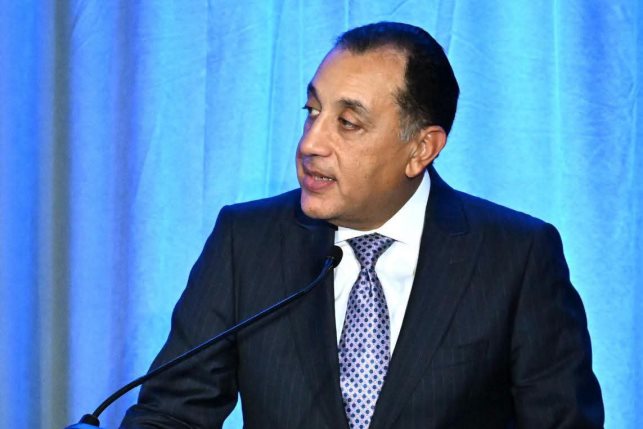
Finance Minister Ahmed Kouchouk told Al Borsa on the sidelines of the American Chamber of Commerce in Egypt conference that the local market needs listings from large companies.

The Egyptian government plans to offer three to five state-owned companies during fiscal year 2026/2027, aiming to raise more than $1.5 billion. The move is intended to increase private-sector participation, boost the capital market and attract more foreign currency.
Finance Minister Ahmed Kouchouk told Al Borsa on the sidelines of the American Chamber of Commerce in Egypt conference that the local market needs listings from large companies. He added that the government has introduced a package of tax incentives to encourage companies to list on the Egyptian Exchange and increase the capital market’s contribution to the economy.
Kouchouk said preliminary indicators show that public debt has fallen to less than 80 percent of gross domestic product, with the Finance Ministry expected to release the official figure next week.
He also noted an improvement in the cost of insuring Egypt’s sovereign debt despite current challenges, adding that the ministry continues to monitor the indicator closely.
The government aims to increase tax revenues to around 14.2 percent of GDP by the end of fiscal year 2026/2027, up from 13 percent in fiscal year 2025/2026, as part of its tax reform programme.
According to Kouchouk, the reform agenda centres on four main objectives: building trust with taxpayers and improving the services provided to them; implementing a balanced fiscal policy that supports the broader economy; delivering sustainable improvements across economic and financial indicators; and creating fiscal space to reinvest in human capital, development and targeted social protection programmes.
He stressed that fiscal reform does not depend on a single indicator or measure but on an integrated package of policies designed to balance fiscal discipline with economic growth and competitiveness.
Kouchouk added that these objectives are closely linked to giving the private sector a greater role in economic activity by unlocking its potential and increasing its contribution to the economy.
He said expanding private-sector participation has been instrumental in advancing the government’s reform agenda, with recent economic results demonstrating the importance of this approach.