The project is expected to attract investments of around $278 million and forms part of Egypt’s efforts to secure high-value investments, maximise the use of available resources and waste, and transform them into value-added, exportable products.
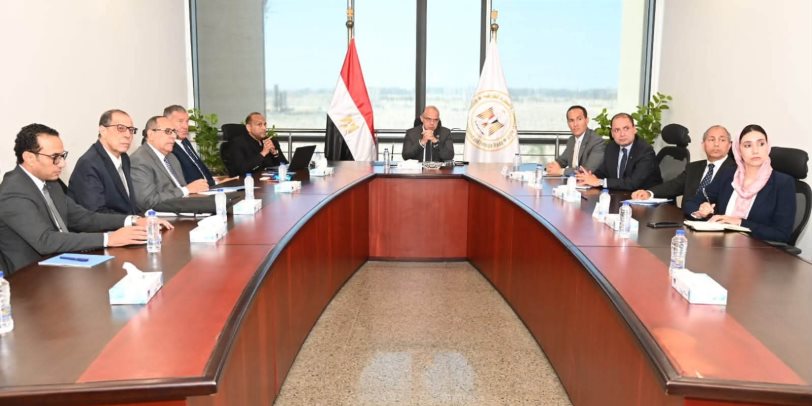
Minister of Investment and Foreign Trade Mohamed Farid met representatives of Italian companies Proger and Drexel to discuss progress on a proposed project to produce second-generation bioethanol from bagasse, a by-product of sugarcane processing.
The project is expected to attract investments of around $278 million and forms part of Egypt’s efforts to secure high-value investments, maximise the use of available resources and waste, and transform them into value-added, exportable products.
The meeting reviewed the project’s investment and commercial potential. Using bagasse as its primary feedstock, the facility would support the utilisation of agricultural and industrial waste, establish a new value-added industry and advance Egypt’s transition towards a green economy and sustainable manufacturing.
Farid said the ministry is working to simplify procedures for investors and improve the efficiency and competitiveness of investment-related services to attract new capital and encourage existing companies to expand.
He added that priority is being given to investments that strengthen Egypt’s production and export capabilities while supporting economic growth and job creation. Green economy and biofuel projects represent promising areas for attracting investment and accessing new export markets, he noted.
The minister described the project as a model that combines the use of local resources with deeper industrialisation, value creation and export opportunities. He said it aligns with the government’s strategy to diversify Egypt’s exporter base, markets and products.
The meeting followed earlier talks between representatives of the two companies and Minister of Supply and Internal Trade Sherif Farouk, which focused on the project’s technical and implementation progress, completed trials and studies, proposed partnership structure and transition towards execution.
Discussions also addressed the potential to export a significant share of the project’s output to European markets, supporting sustainable export revenues and improving access to overseas markets.
Proger and Drexel representatives said Egypt’s supply of sugarcane bagasse presents an opportunity to establish an integrated industrial project for producing second-generation biofuel, with a large share of output potentially destined for Europe.
They also reviewed the latest project developments, including technical trials using bagasse samples, studies on bioethanol production and efforts to update the feasibility study before finalising the project’s investment and financing structure.
Farid called for the rapid completion of the remaining studies and procedures, alongside a clear implementation roadmap, to move the project from the study phase into execution and capitalise on Egypt’s available feedstock and industrial capabilities.