The initiative aims to access previously untapped oil and gas resources and enable production from geological formations that were not economically viable using conventional drilling and production methods.

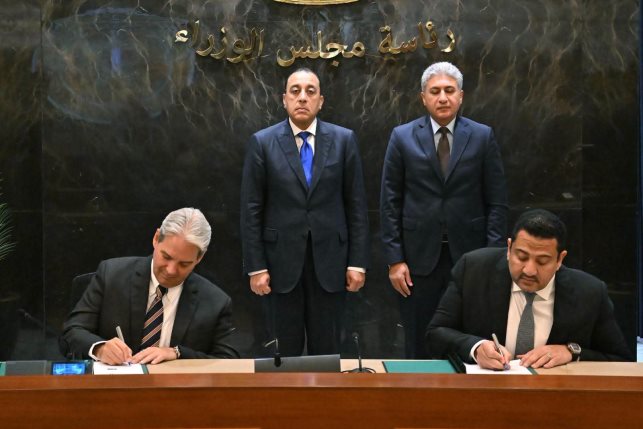
The Egyptian General Petroleum Corporation (EGPC) has signed a cooperation agreement with global oilfield services company Halliburton to conduct studies in preparation for a program targeting the drilling of 50 oil wells in areas operated by the General Petroleum Company (GPC) over 18 months.
According to a statement issued by the Ministry of Petroleum and Mineral Resources on Thursday, the agreement involves the use of advanced horizontal drilling and multistage hydraulic fracturing technologies to maximize the utilization of Egypt’s oil and gas resources and unlock new opportunities to increase domestic production.
The agreement comes as part of an initiative launched by the ministry earlier this year to expand the adoption of advanced and unconventional technologies in exploration and production activities. The initiative aims to access previously untapped oil and gas resources and enable production from geological formations that were not economically viable using conventional drilling and production methods.
The initiative also seeks to capitalize on the untapped potential of existing production areas, supporting efforts to boost Egypt’s domestic energy output.
Minister of Petroleum and Mineral Resources Karim Badawi emphasized that expanding the use of advanced technologies is a key pillar of Egypt’s strategy to increase domestic oil and gas production.
He noted that deploying innovative technological solutions would help maximize the value of the country’s underground resources, unlock new reserves and bring additional resources into Egypt’s oil and gas production capacity.
The agreement follows GPC’s recent application of hydraulic fracturing technology to produce natural gas from the Abu Rawash F formation at the NES-8 well in Egypt’s Western Desert.
The project achieved a production rate approaching 3 million cubic feet of natural gas per day from a low-permeability formation that had previously been considered unsuitable for production using conventional extraction methods.