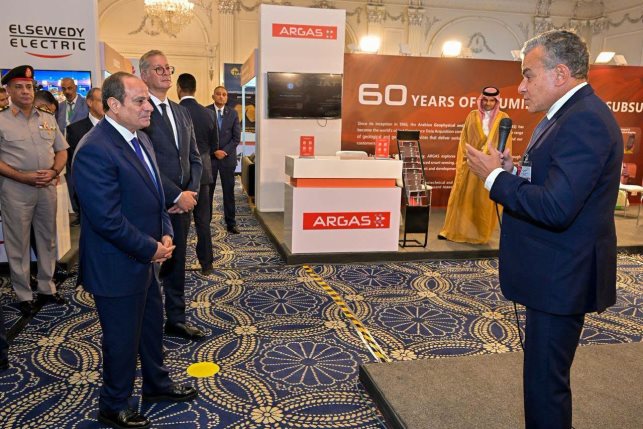
Badawi said Egypt launched the open-block mining system on July 10, 2026, aiming to provide investors with greater flexibility in line with international practices.
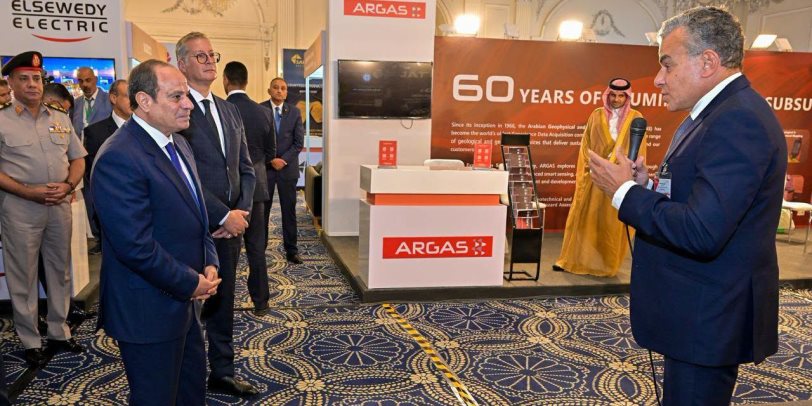
The Egyptian government has received 403 bids from 119 companies, including 14 foreign firms, competing for 118 mining blocks offered under the country’s open-block bidding system, according to Minister of Petroleum and Mineral Resources Karim Badawi.
Speaking at the Egypt Mining Forum on Monday, Badawi said the 118 blocks were selected from a total of 365 areas made available, covering nearly 45,000 square kilometers. The blocks target promising deposits of gold, phosphate, talc and kaolin.
Badawi said Egypt launched the open-block mining system on July 10, 2026, aiming to provide investors with greater flexibility in line with international practices.
He added that the system is designed to accelerate the allocation of mining areas and support a more open investment model that is more responsive to market needs.
The minister said the strong investor interest marks an important step toward expanding the exploration and development of Egypt’s mineral resources and the wider Arabian-Nubian Shield.
He pointed to the Sukari Gold Mine, one of the world’s major gold mines, as an example of Egypt’s significant mineral potential. Since gold production began in June 2009, the mine has produced around 6.8 million ounces of gold, he said.
“We are moving beyond simply extracting raw materials toward maximizing their value, and from exporting commodities in their primary form toward expanding value-added industries. This is at the core of the state’s strategy,” Badawi said.
He also highlighted efforts to maximize the value of Egypt’s phosphate resources, noting that the country ranks third globally in phosphate rock reserves and seventh in global phosphate production in 2025.
Egypt is currently working on eight new value-added projects, led by the first phase of the Abu Tartour phosphoric acid complex. The project will have an annual production capacity of 250,000 tonnes and investments of up to $650 million, with production scheduled to begin in 2028.