He noted that the system is expected to enhance the quality of public services and strengthen the government’s ability to measure development impact.
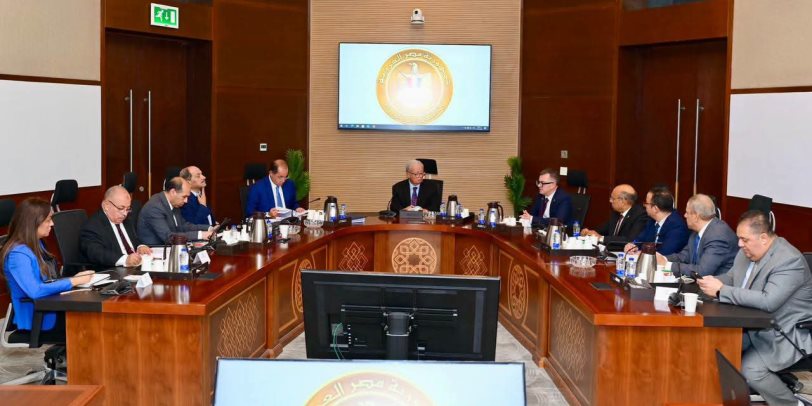
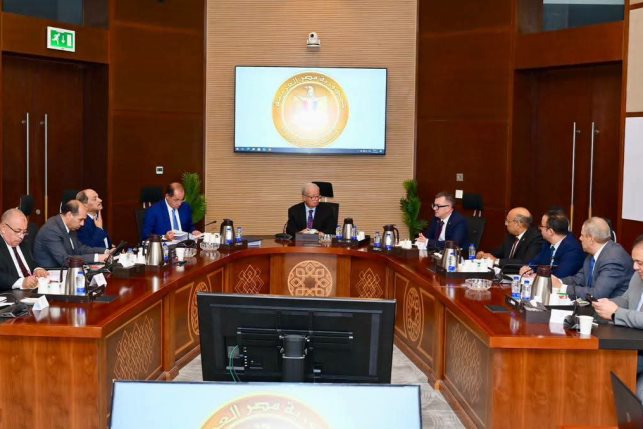
Hussein Issa, Deputy Prime Minister for Economic Affairs, held a meeting with Ahmed Kouchouk, Minister of Finance, and Ahmed Rostom, Minister of Planning and Economic Development, to review ongoing efforts and preparations for the implementation of program-based budgeting, as part of the government’s efforts to modernize public financial management and improve the efficiency of public resource allocation.
The meeting reviewed the executive steps and procedures required to begin the pilot implementation of program-based budgeting starting in the 2027/2028 fiscal year, including the timeline for upcoming phases, institutional and technical requirements, coordination efforts between the two ministries, joint working groups, and training programs aimed at building the capacities of government officials responsible for implementation.
Issa highlighted that adopting program-based budgeting represents a major shift toward improving public spending efficiency and strengthening monitoring and evaluation mechanisms by linking government funding to actual performance levels and measurable outcomes. He noted that the system is expected to enhance the quality of public services and strengthen the government’s ability to measure development impact.
He added that the implementation of program-based budgeting is part of a broader transformation of government operations, aligned with digital transformation efforts, streamlined procedures, and the development of public financial management systems, contributing to greater transparency and improved operational efficiency.
Issa noted that significant progress has been made on this initiative in recent years, emphasizing the continued coordination and integration of efforts between the Ministries of Finance and Planning, joint working groups, and training programs designed to develop the capabilities of government personnel and ensure the sustainability of the reform process.
For his part, Finance Minister Ahmed Kouchouk said that the implementation of program-based budgeting is aligned with the Unified Public Finance Law and the State’s General Planning Law. He stressed the continued coordination between the Ministries of Finance and Planning to complete all necessary procedures and requirements, supporting the development of public resource management, improving spending efficiency, and enhancing financial monitoring mechanisms.
Meanwhile, Planning and Economic Development Minister Ahmed Rostom stated that program-based budgeting is one of the key tools for advancing planning and public financial management systems. He explained that the framework links financial resources with development programs and objectives through measurable performance indicators, enabling the government to better monitor implementation, evaluate results, and direct public spending toward achieving tangible outcomes aligned with national priorities and development targets.