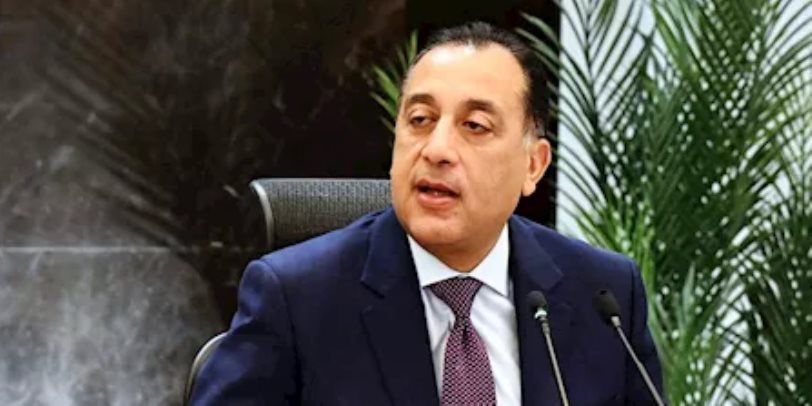
Egypt aims to reduce the external debt of its budgetary authorities by between $1.5 billion and $2 billion annually, Prime Minister Mostafa Madbouly said, as the government works to keep external borrowing within a defined ceiling.
Speaking at a press conference following the weekly Cabinet meeting, Madbouly said the government had reduced the external debt of budgetary authorities by $6.5 billion over the past three years.
He said the government’s external debt strategy focuses specifically on the debt of budgetary authorities, while total external debt also includes liabilities held by economic authorities and the private sector.
The government plans to sustain the decline by increasing foreign-currency revenues, reducing leakages, deepening local manufacturing to lower the import bill, and ensuring the timely repayment of sovereign loan principal and interest, Madbouly said.
He added that the government is operating under a clear plan to set a ceiling on external debt that will not be exceeded while continuing to reduce public-sector external liabilities.
Madbouly also said Egypt had managed to navigate higher prices and increased electricity consumption during the past four months without shortages of essential goods and products.
He said higher oil prices and increased logistics and transportation costs linked to regional conflicts had raised the cost of meeting the country’s basic needs, with the government seeking to absorb part of the increase rather than pass the full burden on to consumers.
Although Egypt’s imported volumes of oil and gas have declined from last year as renewable energy capacity expands, the higher international prices have increased the overall import bill, Madbouly said.
The government aims to increase the share of renewable energy in Egypt’s energy mix to close to 50%, he added.
On the fiscal impact of higher energy costs, Madbouly said the government faced a choice between passing the full increase on to consumers or absorbing part of it through higher budget deficits and debt. The government opted for the latter to limit the burden on households while keeping the impact under control.
Separately, Madbouly said he will meet with the Minister of Electricity next week to follow up on President Abdel Fattah El-Sisi’s directives regarding electricity bills.
He said Electricity Minister Mahmoud Esmat had already met with ministry leadership on the issue, with further details expected to be announced following next week’s meeting.