Egypt’s Ministries of Planning and Housing have agreed to deploy interactive and spatial mapping tools to track the implementation of housing and utilities projects under the country’s 2026/27 investment plan in real time.
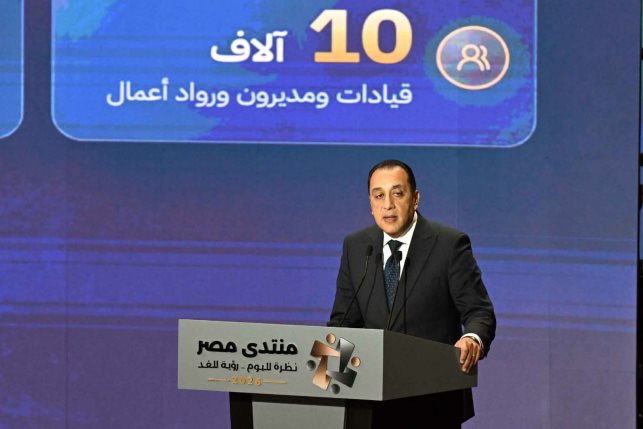
The agreement was reached during a meeting between Planning and Economic Development Minister Ahmed Rostom and Housing, Utilities and Urban Communities Minister Randa El-Menshawy to review progress across major national housing projects, particularly drinking water and wastewater infrastructure and social housing programs.
The Egyptian Planning System’s information infrastructure center will provide interactive maps showing project locations and actual completion rates, enabling authorities to access updated data and identify implementation bottlenecks more quickly.
Rostom said the next phase of public investment management will focus on maximizing the economic and social returns from government spending and improving project management to ensure timely delivery.
He described urban development as a key driver of Egypt’s economic growth, given its impact on living standards and its links to a wide range of economic activities and job creation.
El-Menshawy said the Housing Ministry is continuing to expand housing projects across different segments while accelerating construction, upgrading existing cities and increasing the availability of land and housing units in new urban communities.
She added that drinking water and wastewater projects remain a priority, with the ministry working to upgrade and expand networks and treatment plants and extend sanitation services to targeted villages and areas.
The ministry is also seeking to maximize the impact of investments in utilities infrastructure as part of broader efforts to improve public services and support sustainable urban development.