Two additional seismic survey projects are also being developed in the Eastern Mediterranean and West Assiut.
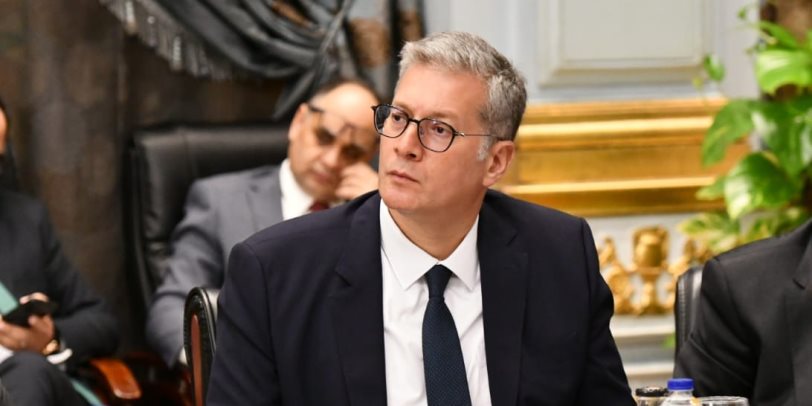
Minister of Petroleum and Mineral Resources Karim Badawi announced commitments for more than $17 billion in new foreign investment in Egypt’s petroleum sector over the next five years, alongside the offering of 62 investment opportunities through the Egypt Upstream Gateway.
Speaking during a meeting with members of the Coordination of Youth Parties and Politicians, Badawi said the ministry is implementing nine seismic survey programmes to identify new exploration opportunities. Two additional seismic survey projects are also being developed in the Eastern Mediterranean and West Assiut.
He added that the ministry continues to work with international partners on exploration and production plans aimed at delivering new discoveries. Recent results include the significant Denise discovery in the Mediterranean, as well as a newly discovered well in the West Abu Madi area of the Delta. Badawi also noted that France’s TotalEnergies has resumed natural gas exploration activities in Egypt.
The minister said the ministry’s current strategy is centred on securing citizens’ energy needs by increasing domestic production, maximising the use of existing infrastructure through expanded refining and petrochemical activities, and launching a new phase for the mining sector to raise its added value.
The strategy also includes supporting the development of an optimal energy mix for Egypt, strengthening safety, environmental protection and energy efficiency, enhancing regional cooperation, and importing Cypriot gas into Egypt.
Badawi highlighted the importance of integration between the petroleum, electricity and renewable energy sectors in achieving a balanced and sustainable energy mix. He explained that expanding renewable energy capacity can reduce reliance on natural gas while creating a foundation for green derivatives, particularly green hydrogen.
He also noted that Egypt has strong potential in petrochemicals and fertilisers, which could enhance energy security and increase the value of Egyptian exports. Indicators issued by relevant authorities, he said, point to improved sector performance and renewed confidence among investors and international partners.
During the meeting, Badawi reviewed developments in the petroleum and mineral resources sectors, as well as the government’s plans to increase production, attract investment and maximise the value of mineral resources. He stressed that coordination and collective action among state institutions are essential to achieving sustainable development.
The minister added that the ministry has addressed the challenges facing the sector by prioritising key issues, which has positively affected overall performance. He explained that the accumulation of dues owed to foreign partners in previous periods had affected investment and production levels, alongside rising energy consumption driven by economic growth.
According to Badawi, the regular settlement of dues and the clearance of outstanding payments to foreign partners have helped restore confidence and encouraged companies to commit new investments, contributing to halting the decline in production and reviving exploration activity.