These industries, deemed essential to Egypt’s economic growth, rely on locally available raw materials and play a critical role in the country’s import substitution strategy.
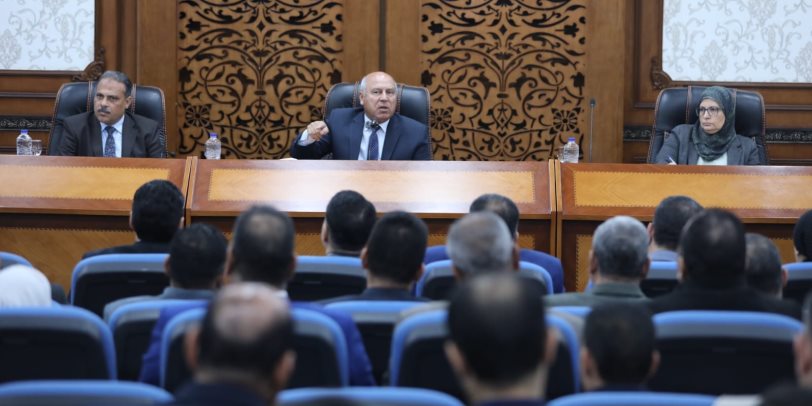
Egypt has identified 23 high-priority industries for localization as part of a strategic plan to boost industrial development and reduce reliance on imports. The announcement was made by Kamel El-Wazir, Deputy Prime Minister for Industrial Development and Minister of Industry and Transport, during a meeting with industrial investors in El Sharqia Governorate. These industries, deemed essential to Egypt’s economic growth, rely on locally available raw materials and play a critical role in the country’s import substitution strategy.
The prioritized sectors include solar energy components, vehicle tires, batteries, wind energy components, water desalination and treatment systems, infant formula, aluminum, electrical transformers, seamless pipes, water pump motors, appliance motors, polyester manufacturing, soda ash, electric motors, generators, water filtration systems, electrical tools, control and distribution panels, central air-conditioning chillers, elevators and escalators, audio and surveillance systems, submersible water pumps, and automotive glass. These industries represent a significant share of Egypt’s imports and offer a clear opportunity for localization, which could strengthen the economy, create jobs, and improve trade balance.
El-Wazir emphasized the importance of accelerating the localization of these industries by providing incentives and easing investment processes for stakeholders. He explained that the government’s goal is to create a self-sustaining industrial ecosystem that leverages Egypt’s natural resources and supports the establishment of new factories. By prioritizing these industries, Egypt aims to reduce its import bill, increase local production, and foster a competitive manufacturing base capable of meeting both domestic and international demand.
The meeting, held at the headquarters of the Industrial Development Authority (IDA), also addressed infrastructure development and challenges faced by industrial investors in Sharqia.
The government underscored its commitment to ensuring that all industrial zones are fully equipped with essential infrastructure, allowing investors to begin construction and operations without delays.
El-Wazir reiterated President Abdel Fattah El-Sisi’s directive to complete utility installations in ongoing projects by August 2024, facilitating the rapid establishment of new factories in the prioritized sectors. He also urged investors with financial dues to settle them promptly or take advantage of new payment plans to avoid the risk of land or unit reallocation. Additionally, unutilized plots in industrial zones will be transparently offered on the Egypt Industrial Digital Platform, reinforcing principles of transparency and efficiency.
The minister highlighted the government’s long-term vision for industrial development, which includes fostering partnerships with investor associations to manage industrial zones. Associations will handle maintenance, security, and service provision, funded through fees collected from tenants. These measures aim to create a sustainable and investor-friendly environment, ensuring the smooth operation and growth of industrial zones.
During the meeting, El-Wazir addressed specific concerns raised by investors. Gas supply shortages, land allocation disputes, and safety compliance costs were among the issues discussed. The minister offered immediate solutions and directed relevant authorities to expedite their resolution, reinforcing the government’s commitment to supporting industrial development.