Egypt and South Korea have a strong and enduring bilateral relationship.
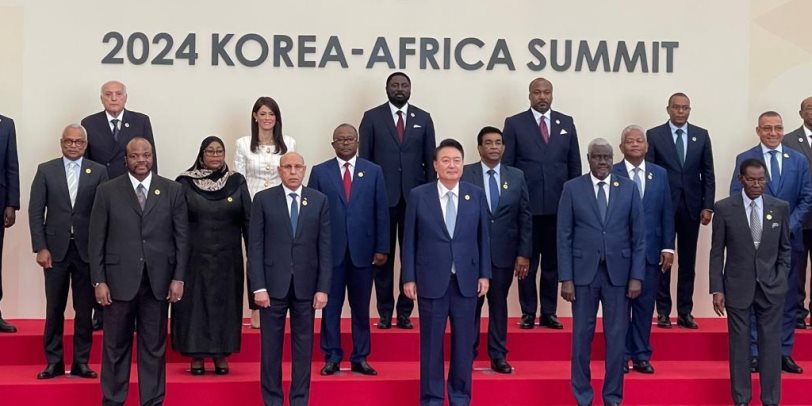
The total cooperation portfolio between Egypt and South Korea amounted to $1.3 billion, as Egypt aims to expand and strengthen this strategic partnership for shared progress and prosperity, Minister of International Cooperation (MoIC), Rania Al-Mashat, said during her Speech at the Korean-African Summit.
Egypt and South Korea have a strong and enduring bilateral relationship. South Korea, recognizing Egypt as a priority partner, has played a key role in successful projects, injecting significant funding and enhancing economic cooperation.
At the Korean-African Summit, the Minister of MoIC highlighted the critical juncture in African affairs, with achievements and challenges intertwined. While progress has been made in activating the African Continental Free Trade Area and implementing the 2063 Development Agenda, the continent still faces political, security, and economic hurdles.
These include internal conflicts, terrorism, illegal migration, and the impacts of the Russian-Ukrainian war. Climate change, desertification, and water scarcity further threaten food and economic security in many African countries.
Egypt is committed to playing a pivotal role in addressing these challenges. Under the leadership of President Abdel Fattah El-Sisi, Egypt actively participates in economic, trade, political, and security fronts, Al-Mashat added.
She highlighted Egypt's dedication to sharing infrastructure development expertise with African countries through private-sector collaboration.
The Julius Nyerere Hydropower Station in Tanzania serves as a prime example, with Egyptian and Tanzanian involvement, showcasing successful cooperative development efforts.
Al-Mashat emphasized Egypt's commitment to key priorities in the Korean-African partnership.
This includes supporting development plans, finding innovative financing, promoting infrastructure projects, enhancing the health sector, attracting investments, linking peace and development, combating terrorism, transferring technology, and monitoring outcomes.