Egypt has significantly progressed in its reform efforts aimed at achieving comprehensive and sustainable development, which strengthened its ability to handle the pandemic and subsequent economic and social challenges, explained Minister of Planning and Economic Development (MPED)
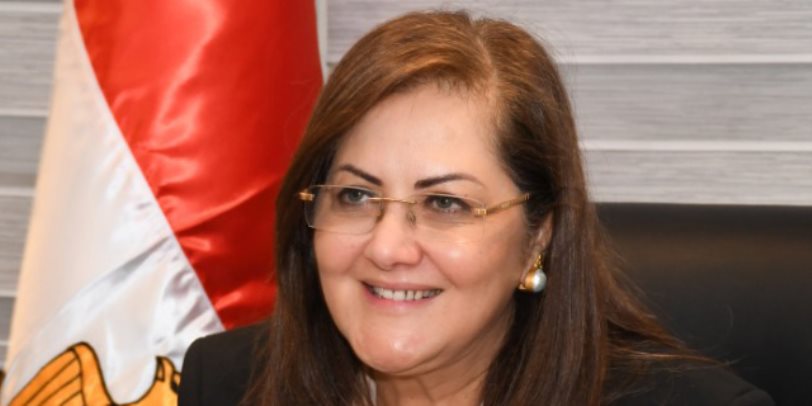
Egypt has significantly progressed in its reform efforts aimed at achieving comprehensive and sustainable development, which strengthened its ability to handle the pandemic and subsequent economic and social challenges, explained Minister of Planning and Economic Development (MPED), Hala El-Said, during her inauguration speech at the Egypt – OECD Country Program conference.
The conference centers on the 3-year Country Program, announced back in 2021, aimed at supporting structural reforms to help address Egypt’s main economic challenges.
Earlier today, El-Said and Secretary General of the Organization of Economic Co-operation and Development (OECD), Mathias Cormann, met with President El-Sisi. The president praised Egypt and OECD’s current bilateral cooperation efforts, stressing its importance as it comes in line with Egypt’s sustainable development plans and vision for 2030.
Reviewing some of the main figures from Egypt’s economic reform programs during her speech at the event, El-Said highlighted various economic figures, emphasizing the country’s adaptability and resilience in the face of recent years’ global challenges.
The MPEDMin underlined the country program’s main 5 axes; Economic growth, Innovation and Digital Transformation, Governance and Anti-corruption, Statistics, and Sustainable Development.
She added that the program contributes to Egypt’s Vision 2030 and the National Structural Reforms Program, which includes further diversification of the economic structure.
Regarding the first axis, which includes the establishment of 10 projects with the ultimate aim of improving the business climate and attracting investments, El-Said noted that the projects have reached a 33% completion rate.
The projects are in line with the National Structural Reform Program’s objectives, centering on empowering the private sector, increasing their contribution to various sectors of the economy, and boosting investments overall.
El-Said emphasized the Suez Canal’s position as a global trade hub, highlighting that 12% of total global trade moves through the canal, and approximately 25% of the total movement of containerized goods.
She also pointed towards the Suez Canal Economic Zone’s significant role in supporting the creation of a more attractive environment for investments through approving tax incentives, supporting infrastructure networks that use environmentally friendly fuels, and mobilizing private investments in the areas of sustainable infrastructure.
Projects under the country program’s digital transformation axis have reached a completion rate of 46%. With the help of the OECD and the program, Egypt has advanced 55 places in the government readiness index for artificial intelligence, ranking 56th out of 172 countries, compared to 111th out of 194 countries in 2019.
Under the 3rd axis of governance and anti-corruption – including expanding the tax base, implementing tax legislative reforms, and bringing Egyptian tax standards closer to international standards – projects have reached 20%.
Projects focused on the 4th axis, statistics and databases, progressed to around 25%. The MPED minister added that projects implemented within the framework of this field support the Central Agency for Public Mobilization and Statistics in formulating the national statistics strategy and its implementation plan.
El-Said noted that projects within the 5th axis will begin within Q1 of next year during the 2nd phase of the program. However, she stressed the importance of supporting the Egyptian state’s efforts towards green transformation, boosting renewable energy sources and usage, reducing carbon emissions, and achieving the country’s sustainability goals.