UfM’s Andrea Tinagli on unlocking concessional finance, Egypt’s expanding pipeline, and why the country is pivotal in the Mediterranean’s sustainable transition.
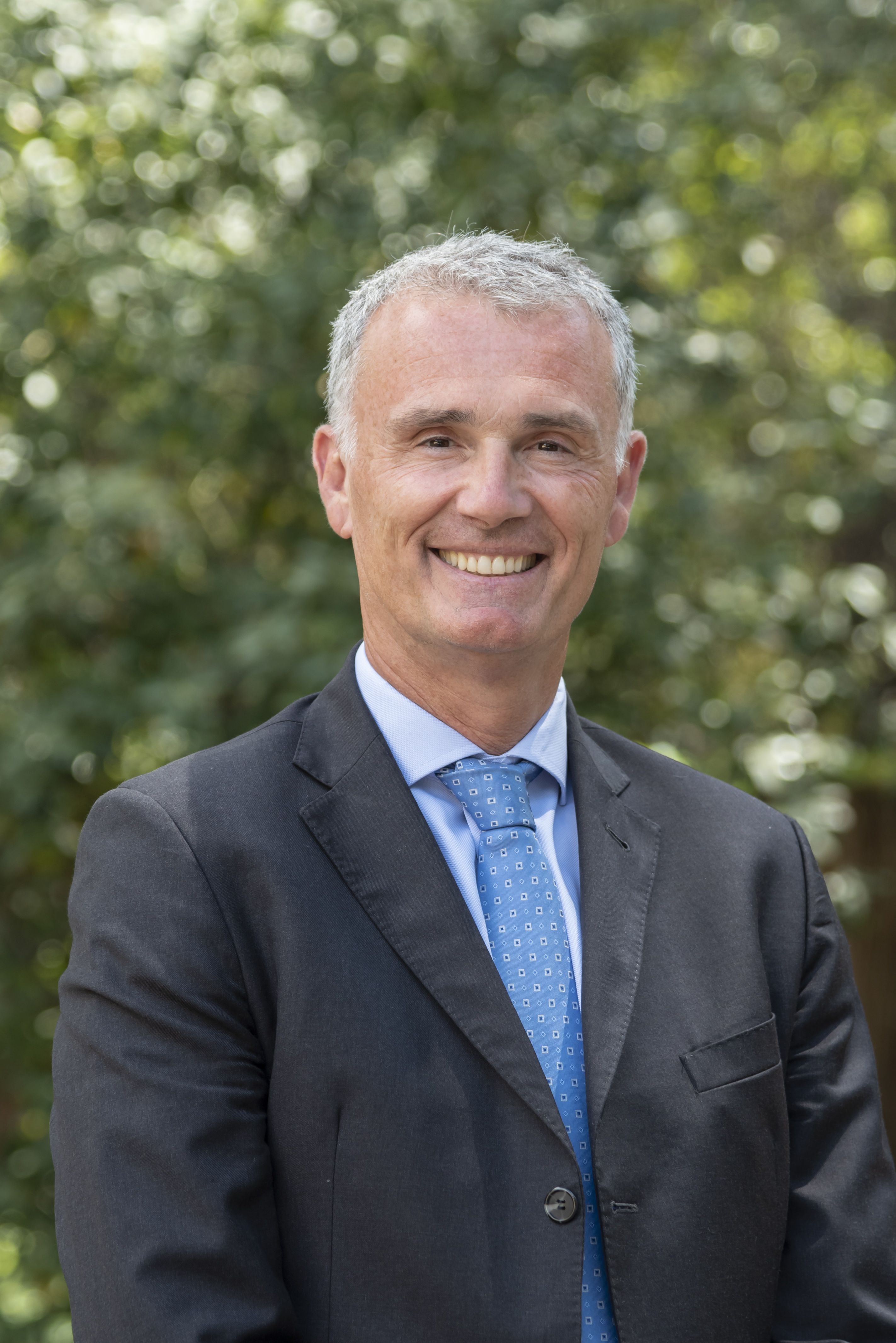
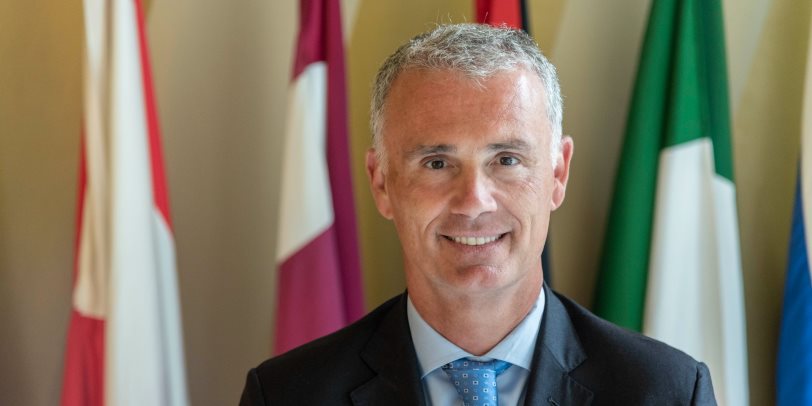 UfM’s Andrea Tinagli
As the Union for the Mediterranean (UfM) accelerates sustainable blue economy investments across the region, Egypt has emerged as a key partner in both scale and ambition. In this exclusive interview, Principal Advisor on Sustainable Finance and Investments at the UfM, Andrea Tinagli, highlights to Business Today Egypt how Egypt’s East Alexandria wastewater treatment project, selected as a flagship initiative under the Blue Mediterranean Partnership (BMP), reflects the country’s growing commitment to climate-resilient infrastructure and green finance innovation.
“Projects like East Alexandria are identified by consensus among donors, beneficiary countries, and development banks, aligned with rigorous eligibility criteria,” Tinagli explains, adding that financial instruments, such as blended finance and concessional tools, will be tailored following the project’s feasibility review.
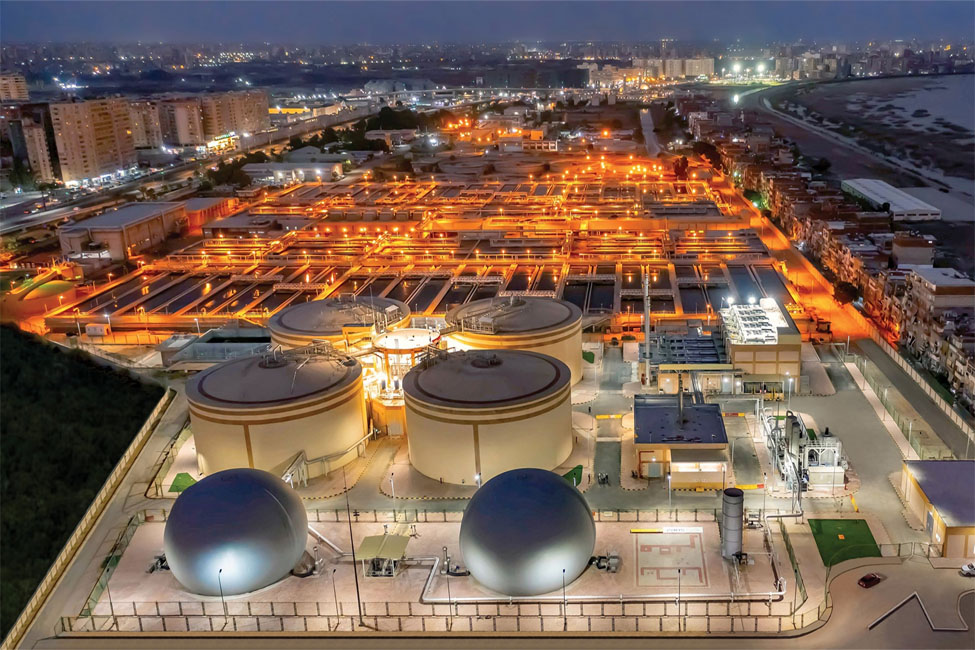
Designed to treat 300,000 cubic meters of wastewater per day for 1.5 million people, the East Alexandria facility will relieve pressure on existing infrastructure, support waste-to-energy systems, and enable the reuse of treated water, key in a country where annual water availability is under 650 m³ per capita, well below the UN’s 1,000 cubic meters benchmark.
Tinagli also shared that Egypt has participated in 52 regional blue economy projects to date, spanning sustainable tourism, marine litter reduction, and port development. He revealed that €22 million in BMP donor funding, including €8.5 million from Spain, is expected to catalyze at least €1 billion in MDB loans, with up to €25 million potentially earmarked for upcoming green projects in Egypt, such as the electrified container terminal in Sokhna and Delta-based climate-smart agrifood systems.
According to the World Bank, the blue economy is the “sustainable use of ocean resources for economic growth, improved livelihoods, and jobs, while preserving the health of ocean ecosystem.” European Commission defines it as “All economic activities related to oceans, seas and coasts.
Egypt’s East Alexandria wastewater treatment project is a flagship under the Blue Mediterranean Partnership. Could you detail the key criteria for its selection and the specific financial instruments, including concessional finance and blended instruments, being utilized to support it?
Projects that will receive BMP funding, including the East Alexandria wastewater treatment plant, are agreed upon by donors, beneficiary countries and multilateral development banks in alignment with the eligibility criteria defined in the partnership framework. As for the specific financial instruments that will be used to support it, these will be defined by the multilateral development banks alongside Egypt once the project feasibility analysis has been finalised.
With a capacity to process 300,000 cubic meters of wastewater daily for 1.5 million people, what are the expected socio-economic and environmental impacts of the East Alexandria project, both locally and regionally?
In a country with severe water scarcity challenges, increased capacity to process wastewater is always welcome news. This problem can best be illustrated by the fact that with less than 650 cubic meters per capita available annually, Egypt currently finds itself far below the UN’s recommended 1,000 cubic meter threshold. It also depends on the Nile for most of its water—a resource it shares with 10 other countries—and being located in a region that is warming at a rate 20% faster than the global average only exacerbates its scarcity even further.
We can expect many benefits in this regard from the East Alexandria project. For one, it will serve to ease pressure on the existing wastewater treatment plant, which is already overloaded during peak hours and floods when there is heavy rainfall in the winter. Another positive aspect is that it will lead to the implementation of sludge digestion system to produce electricity and reduce dependence on other sources. It will also allow for the reuse of treated wastewater for irrigation. Expanding the extension of cultivated land area in a country where more than 30% of the population works in the agricultural sector will, of course, also be beneficial in terms of promoting greater food security in the region.
The Union for the Mediterranean has mobilized over €500 million for over 250 blue economy projects since 2015. What specific portion of this funding has been directed to Egypt, and which sectors within Egypt have been the primary beneficiaries?
Although specific information on the exact share of funding allocated to Egypt is not available, it is possible to identify the main sources of funding for the projects in which Egypt has participated as a partner, as well as the primary sectors these projects focus on. In total, Egypt has been involved in 52 projects, covering a variety of thematic areas such as transport and ports, aquaculture and fisheries, marine litter, or research and innovation, among others. The top five funders of these projects are ENI CBC MED, Horizon (2020, Innovation Actions, FP7), European Neighborhood instrument, the former DG Near, and Interreg. Specific projects involving the country that have benefited from the mobilization of these funds include MEDTRENDS, which provides in-depth reports on the main marine economic sectors; TouMaLi, which promotes tourism sector sustainable waste management solutions; or GreenMED to support green shipping efforts in the Mediterranean Sea basin.
Spain recently pledged €8.5 million to the Blue Mediterranean Partnership, bringing total donor contributions to €22 million. What is the projected multiplier effect of this capital in terms of total investments mobilized across the region?
Donor contributions fund grants for technical assistance and project feasibility studies. These are necessary steps in the initial phases of the conceptualisation of sustainable blue economy projects—securing loans for their implementation without them is next to impossible. Thanks to these contributions, the BMP is expected to mobilise at least €1 billion in larger-scale loans from multilateral development banks and financial institutions in the coming years, helping these projects become a reality.
How crucial is robust digital infrastructure to the success of environmental monitoring and enforcement in Egypt’s green transition?
Digital infrastructure is essential to the success of environmental monitoring and enforcement in any country as it allows for real-time data collection. With reliable digital systems, authorities can track, among other items, air and water quality or industrial emissions more accurately and efficiently. This not only enables faster detection of violations but also strengthens the ability to enforce environmental regulations, meet international climate commitments, and attract green financing. Digital tools are key to improving cross-sector coordination and building a more evidence-based approach to environmental governance. An enhanced digital infrastructure will, therefore, help Egypt attain its climate and environmental goals as part of its green transition.
What makes Egypt an attractive and standout destination for climate-aligned and sustainable finance in the Southern Mediterranean region?
Egypt stands out as a destination for climate-aligned and sustainable finance in the Southern Mediterranean due to its clear national climate strategies, including its Nationally Determined Contributions to achieve the UNFCCC targets and Egypt Vision 2030. As the host of COP27, Egypt also demonstrated regional leadership and commitment to climate action. Additionally, the country’s strategic geographic position and active engagement with international partners make it a key gateway for scaling green investment across Africa and the Mediterranean.
What is the current pipeline of blue economy or green infrastructure projects in Egypt under evaluation by the BMP? Could you share expected financing volumes or timelines for launch?
According to the European Bank for Reconstruction and Development, the BMP fund administrator, other projects in the pipeline in Egypt include the development of an electrified container terminal in Sokhna, the rehabilitation of seawall defence systems impacted by weather events and coastal erosion near Rosetta, a climate smart agrifood system in the Delta region to prevent pollution through efficient wastewater practices, as investments towards conservation and economic activities in nature protected areas. These could eventually receive an estimated €25 million in BMP grants, but exact figures and a concrete timeline for their implementation are yet to be determined.