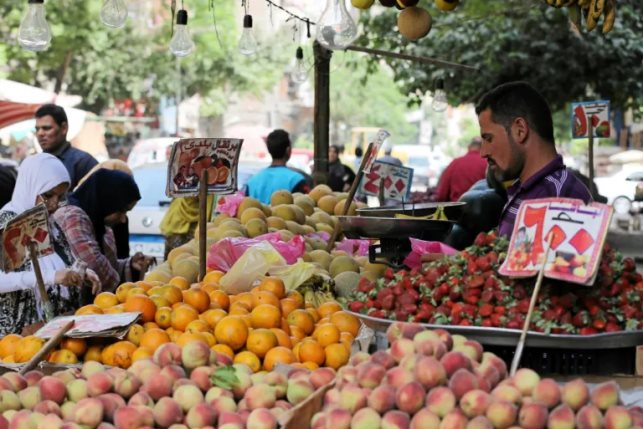
CAPMAS said the general consumer price index for the whole republic reached 289.5 points in June, recording a monthly decline of 0.9% compared to May.
Egypt’s annual inflation rate fell to 12.2% in June 2026, down from 13% in May, while consumer prices declined by 0.9% on a monthly basis, driven by lower prices for several key food items, according to data from the Central Agency for Public Mobilization and Statistics (CAPMAS).
CAPMAS said the general consumer price index for the whole republic reached 289.5 points in June, recording a monthly decline of 0.9% compared to May.
The monthly drop was mainly driven by a 6.4% decrease in meat and poultry prices, a 2.4% decline in dairy, cheese, and egg prices, and a 12.1% fall in vegetable prices. Prices of personal effects also declined by 6.4%.
The food and beverages category, which carries the largest weight in the inflation basket, fell by 3.7% in June, supported by lower prices for meat, poultry, dairy products, and vegetables. This came despite increases of 0.6% in cereals and bread, 3.5% in fruit, and 0.5% in coffee, tea, and cocoa.
In contrast, several major categories continued to record monthly increases. Housing, water, electricity, gas, and fuel rose by 1.5%, driven by a 2.6% increase in actual housing rent, while furniture and household equipment increased by 2.3%.
Culture and recreation recorded the largest monthly increase among the main categories, rising by 7.2%, supported by a 22.1% jump in prices of organized tourist trips. Healthcare prices increased by 0.6%, while restaurants and hotels rose by 0.8%.
On an annual basis, food and beverages increased by 4.7% compared to June 2025, driven by a 29.9% rise in vegetable prices, a 9.6% increase in coffee, tea, and cocoa prices, and a 4% rise in fish and seafood prices.
Housing, water, electricity, gas, and fuel recorded the highest annual increase among the main categories, rising by 31.2%. This was driven by a 51.1% increase in imputed housing rent, a 28.2% rise in actual rent, and a 17.4% increase in electricity, gas, and other fuel prices.
Transport also rose by 21.1% year-on-year, supported by a 23.9% increase in transport services and a 19% rise in spending on private transport. Education prices increased by 20% compared to the same month last year.
The data showed that inflationary pressures continued to ease compared to last year’s levels, supported by a slower pace of food price increases. However, housing, services, transport, and education costs continued to rise at rates above the overall inflation average.