Egypt has recorded strong growth in financing for small and medium-sized enterprises (SMEs) and microenterprises, alongside a significant rise in financial inclusion across the country, according to the Central Bank of Egypt (CBE).
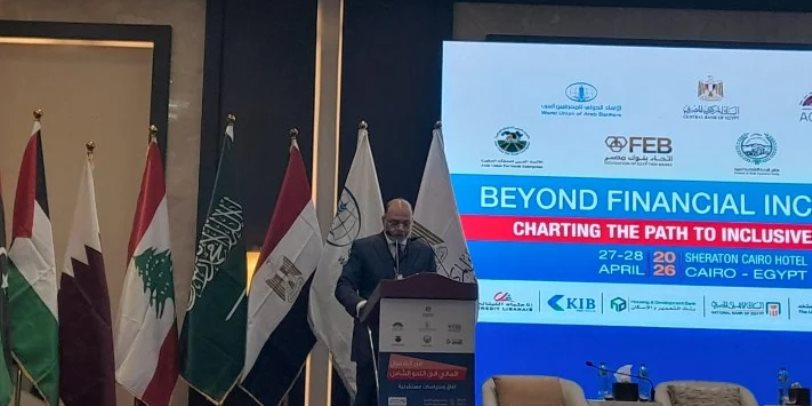
Sherif Lokman, Deputy Governor for Financial Inclusion, said that supporting SMEs, microenterprises and entrepreneurs is a key pillar of the Central Bank’s strategy, given their role in boosting economic growth, creating jobs, improving productivity, and supporting sustainable development.
He said the total SME portfolio in the banking sector has reached about EGP 630 billion, noting that nearly 50% of this portfolio, around EGP 315 billion, has been upgraded to companies that have grown into large enterprises.
Lokman added that bank financing for SMEs and microenterprises increased by 390% over the past decade, between December 2015 and December 2025.
He also highlighted strong growth over the past five years, with SME financing rising by 71%. During the same period, financing for microenterprises increased by 112%, small enterprises by 85%, and medium enterprises by 36%.
Microfinance in particular saw significant expansion, reaching about EGP 107 billion by the end of December 2025, compared with around EGP 6 billion several years earlier. The number of beneficiaries rose to around 5 million clients, reflecting a sharp increase in access to financing for lower-income groups and informal businesses transitioning into the formal economy.
On financial inclusion, Lokman said Egypt’s rate rose to 77.6% of citizens aged 15 and above, equivalent to around 55 million people out of 70.5 million, compared with fewer than 15 million in 2015.
He also confirmed that the Central Bank is preparing to launch its new financial inclusion strategy for 2026–2030 by mid-year, building on the results of the previous phase and aiming to further expand access to financial services.