In parallel, Finance Minister Ahmed Kouchouk announced that public sector wages will rise starting July 1, at a total cost of EGP 100 billion.

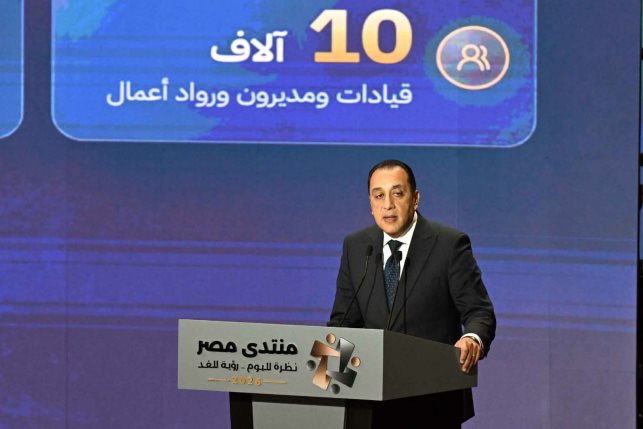
Prime Minister Mostafa Madbouly confirmed that the minimum wage will be increased by EGP 1,000, alongside an exceptional raise for teachers and healthcare workers.
In a press conference, Madbouly added that the government also approved a 21% increase in the salaries allocation within the state’s general budget, signaling a stronger focus on improving income levels.
In parallel, Finance Minister Ahmed Kouchouk announced that public sector wages will rise starting July 1, at a total cost of EGP 100 billion.
The new measures will raise the minimum income for government employees to EGP 8,000 per month.
Employees subject to the Civil Service Law will receive a 12% annual raise, while those not covered will benefit from a 15% special allowance.
Additionally, all public sector workers will receive a monthly incentive increase of EGP 750, costing EGP 77.5 billion.
The package places particular emphasis on education and healthcare. Teachers in public education and Al-Azhar institutions will receive an additional EGP 1,000 monthly teaching allowance starting from the new academic year, while distinguished school administrations will be granted a monthly excellence incentive of EGP 2,000, with a total allocation of EGP 14 billion.
Healthcare workers will also see a monthly increase of EGP 750, along with a 25% rise in night shift and overnight duty allowances beginning in July, at an estimated cost of EGP 8.5 billion.
Around one million teachers and 640,000 healthcare workers are expected to benefit from these increases.
Kouchouk emphasized that the government aims to link wage growth to improvements in the quality of essential services provided to citizens.
Beyond wages, the government also introduced additional measures, including raising the wheat procurement price from farmers to EGP 2,500 per ardeb.
It also approved extending the closing hours of shops, malls, and restaurants to 11 PM from Friday through the following Monday, instead of 9 PM, in celebration of Christian holidays.
These decisions reflect a broader government strategy to support households, strengthen vital sectors, and maintain economic stability amid ongoing regional and global challenges.