He pointed out that the U.S. dollar has lost about 2.76 % of its value against the Egyptian pound over the past two months, falling to EGP 47.28 for sale at the end of October compared to EGP 48.62 at the beginning of September, according to data from the Central Bank of Egypt.
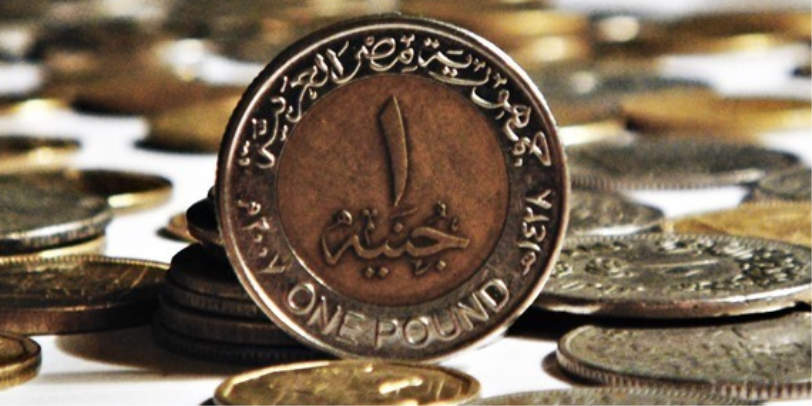
Chief Executive Officer and Managing Director of Standard Chartered Bank Egypt, Mohamed Gad, expects the Egyptian pound to follow a more stable and improving trajectory in the coming period, supported by stable external factors and flexible foreign-cash flows.
In an interview with Al Arabiya Business Channel, Gad explained that a number of factors are bolstering this positive trend, foremost among them are the gradual decline in inflation rates, the adoption by the Central Bank of Egypt of a more flexible monetary policy, alongside the improvement of the current account balance and the continued inflows of foreign investors.
He pointed out that the U.S. dollar has lost about 2.76 % of its value against the Egyptian pound over the past two months, falling to EGP 47.28 for sale at the end of October compared to EGP 48.62 at the beginning of September, according to data from the Central Bank of Egypt.
Previously, the bank had given a more conservative forecast, suggesting that the exchange rate would range between EGP 52 and EGP 54 per dollar during 2026.
Gad affirmed that the ongoing improvements in economic indicators open the door to an enhanced medium-term outlook for Egypt’s credit rating, especially with the improvement in the current account balance and the flexibility of foreign inflows, in addition to expectations of a fresh injection from the International Monetary Fund of about $ 2.5 billion before the end of the year.
He added that the structural reforms being implemented by the Egyptian government will contribute to strengthening macroeconomic performance in the coming period.
Gad projected that inflation will see a temporary rise by the end of this year, ranging between 13 % and 17 %, before gradually falling to around 11 % by end-2026, despite the fact that some pressures will persist in sectors such as food, healthcare and transport.
Regarding monetary policy, he noted that the Central Bank of Egypt will follow a cautious approach in reducing interest rates, expecting the key rate to reach about 19.25 % by the end of 2025, with the aim of maintaining attractive yields that enhance confidence in the local currency.
“We are optimistic that the coming phase will witness price stability and a gradual decline in rates, which supports an investment climate and makes the market more attractive to the private sector and foreign investors,” he said.
Gad emphasized that reducing the interest rate will not negatively affect the attractiveness of investment in government debt instruments, expecting that the “carry trade” will remain of interest to investors thanks to macro-economic stability and success in foreign-currency conversion tests.
He clarified that the bank expects Egypt’s GDP growth rate to reach 5.5 % in the 2026 fiscal year, underscoring the vital role of the private sector in supporting economic growth.
He noted that Standard Chartered Egypt, since beginning operations in the market two years ago, has contributed to attracting nearly $ 200 million in investments on behalf of eight clients across diverse sectors including construction, telecommunications and media.
The bank has also helped expand investments coming from the MENA region and Pakistan into the Egyptian market, amounting to an additional USD 50 million directed to projects in renewable energy and fast-moving consumer goods.
Gad highlighted that the bank plays a central role in providing advisory and financing services that facilitate the entry of international investors into the Egyptian market, as well as supporting government efforts to create an investment-friendly environment for foreign capital.
“We are currently focused on financing major projects, collaborating with export credit agencies, and providing structured export-finance solutions through international institutions and development banks,” he added.
He clarified that the main beneficiary sectors of the bank’s services in Egypt include infrastructure, energy, and utilities, alongside global companies operating in the local market.
Gad concluded by saying that Standard Chartered focuses on serving four primary client segments: the private sector, corporate and government-related entities, financial institutions, and global companies, with the objective of delivering real added value and enhancing economic growth in Egypt.