The facility will be dedicated to producing flare gas recovery systems and carbon separation technologies, along with reinjection equipment that returns recovered gases to the natural gas grid.
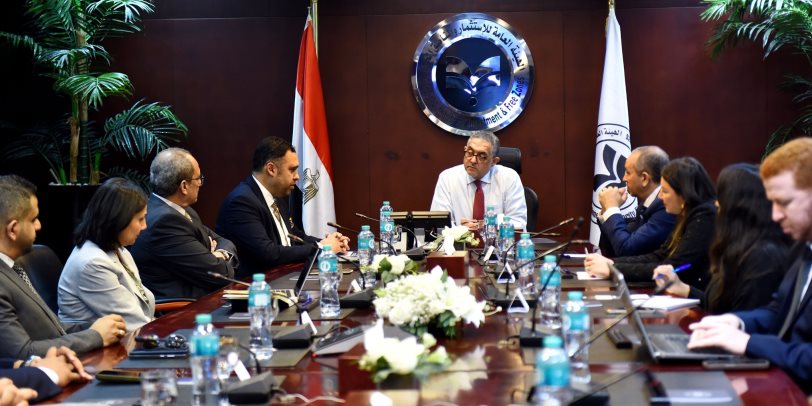
Canada’s Borna Company set a plan to invest $40 million in a factory in Egypt, Borna’s CEO, Sam Salimi, announced that during a meeting with Hossam Heiba, CEO of the General Authority for Investment and Free Zones (GAFI).
The facility will be dedicated to producing flare gas recovery systems and carbon separation technologies, along with reinjection equipment that returns recovered gases to the natural gas grid.
The meeting focused on Borna’s plans to localize its advanced solutions in Egypt, aligning with the Egyptian government's broader strategy to reduce carbon emissions and adopt cleaner, more sustainable energy practices.
During the meeting, Salimi noted that the carbon captured through these operations would allow Borna’s partner companies to participate in Egypt’s voluntary carbon market, launched by the government in 2024.
This would enable businesses to trade carbon credits, unlocking new revenue streams while contributing to reduced emissions and enhanced energy security. The project is also expected to generate employment and reduce Egypt’s reliance on energy imports.
Heiba explained that the private free zones framework offers a favorable environment for manufacturing activities, with benefits such as tax and customs exemptions, streamlined company registration, land allocation, and low production-related fees. Additionally, Borna would be allowed to operate near exploration and extraction sites, without being limited to designated free zone areas—making the venture more logistically efficient.