These investments targeted critical areas such as climate finance, small and medium enterprises (SMEs), green tourism, and renewable energy projects under the “NWFE” program.
The Ministry of Planning, Economic Development, and International Cooperation revealed that international financing institutions invested $890 million in Egypt’s private sector during November 2024. These investments targeted critical areas such as climate finance, small and medium enterprises (SMEs), green tourism, and renewable energy projects under the “NWFE” program.
Boosting Private Sector Involvement
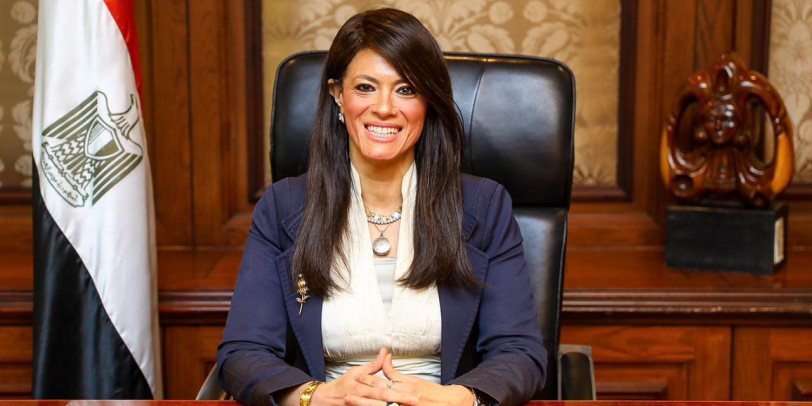
Rania Al-Mashat, Minister of Planning and Economic Development, highlighted the increasing role of the private sector in Egypt’s development efforts. She explained that the ongoing reforms under the National Structural Reform Program are designed to stabilize the economy, enhance the business environment, and accelerate the transition to a green economy. These efforts aim to strengthen private sector contributions to economic growth.
The minister also noted that the governance of public investments and structural reforms have created a more favorable environment for private sector participation in development initiatives.
Expanding Financial Opportunities
The ministry has focused on diversifying financing mechanisms by partnering with international organizations to reduce costs for private companies and attract investments in priority sectors. Platforms such as the World Bank’s Unified Guarantees Platform and the European Union’s Investment Guarantees Mechanism are being utilized to provide additional financing channels for the private sector.
According to the ministry, these partnerships with multilateral development banks are helping to provide innovative tools that make financing more accessible, lower risks, and support investments in key development areas.
Major Contributions from Financing Institutions
1. International Finance Corporation (IFC)
The IFC was the largest contributor in November, investing $605 million in several initiatives. This included a $300 million investment in Egypt’s first sustainability bond, issued by the Arab African International Bank (AAIB), which is the largest private-sector sustainability bond in Africa. Other investments included $155 million to support green tourism through energy efficiency projects with Orascom Development and $150 million to the Commercial International Bank (CIB) to expand financing for SMEs and women-led businesses.
2. European Bank for Reconstruction and Development (EBRD)
The EBRD provided $184 million in funding, including $100 million for sustainability bonds with AAIB. It also issued a $26 million guarantee for CIB to support SMEs and a $37 million guarantee for QNB to expand credit access for micro and small businesses. Additionally, the EBRD granted $21.3 million to the Red Sea Wind Energy project to enhance renewable energy capacity in the Gulf of Suez.
3. British International Investment (BII)
The BII committed $100 million to AAIB’s sustainability bond, contributing to Egypt’s renewable energy and sustainability efforts.
Strategic Vision for 2027
The ministry continues to implement strategic partnerships with the World Bank and the EBRD through 2027. These frameworks prioritize private sector empowerment, sustainability, and an improved business environment to ensure inclusive growth.
Al-Mashat emphasized that these efforts, combined with innovative financing options, are creating a more dynamic and sustainable private sector capable of driving Egypt’s development agenda.