Egypt’s urban inflation rose slightly to 26.5% in October, compared to 26.4% in September, according to the Central Agency for Public Mobilization and Statistics (CAPMAS). The increase was largely driven by price hikes in fuel, food, and beverage sectors. CAPMAS attributed the inflation rise to a 3.3% increase in the meat and poultry group, a 2.1% increase in the fish and seafood group, and a 2.0% rise in dairy, cheese, and eggs.
The housing, water, electricity, gas, and fuel sector saw an increase of 2.9%, with a 7.2% rise in electricity, gas, and other fuel materials, a 0.7% increase in actual housing rents, and a 1.5% rise in housing maintenance and repair costs.
Gradual Impact of Fuel Price Increases
Economic expert Maher Gamal explained in a press statement that the rise in inflation since August has been a direct result of the government’s price hikes for gasoline, diesel, and electricity, which led to a decrease in citizens' purchasing power and a general rise in prices. He predicted that inflation would gradually slow down by the end of the year, due to the "base year effect," a statistical phenomenon that often causes inflation to ease after a significant rise.
Meanwhile, analysts had predicted that October’s inflation rate would reach 27% year-on-year, but the increase was slightly less than anticipated. Mohamed Abdel Aal, a banking expert, noted that the slight rise in inflation in October was due to the gradual impact of fuel price hikes, which only took effect in the last 10 days of the month. This, combined with a drop in the prices of some goods, helped moderate the overall inflation rate. Abdel Aal also pointed out that the timing of the fuel price hikes was designed to reduce inflationary pressures in October, deferring the full impact to the coming months to avoid sharp, unexpected jumps.
Slowdown in Food and Beverage Prices
Data from CAPMAS also revealed a slowdown in food and beverage price increases, with inflation for this sector dropping to 26.9% from 27.7% in September. This decline in food prices contributed to the slower rise in inflation during October. Typically, the impact of diesel price hikes is more immediately visible, but the effects of gasoline price increases take longer to fully materialize.
Fuel Price Hikes and IMF Review
The rise in fuel prices, which saw gasoline and diesel prices increase by 8% to 17% in the last 12 days of October, was the third price hike in 2024. These increases have contributed to price hikes in various goods. President Abdel Fattah El-Sisi had previously commented on the fuel price hikes, stating that the government might review its position with the International Monetary Fund (IMF) if the IMF program’s challenges begin to impose unbearable pressure on the public.
IMF's Optimism for Egypt’s Economy
As a result, the IMF mission visited Egypt in early November, and Managing Director Kristalina Georgieva expressed optimism for the country’s economic future. She predicted that inflation could fall to 17% in the coming period, supported by the IMF’s backing of Egypt’s economic reforms. Georgieva praised Egypt's resilience and described the country as a "safer environment" amidst global economic disruptions, emphasizing the importance of economic stability for fostering long-term prosperity.
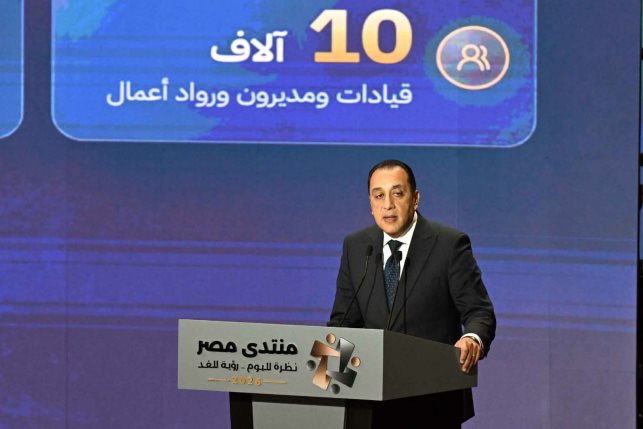
Georgieva also highlighted the IMF's focus on supporting Egypt’s private sector, which is crucial for absorbing over a million young people entering the labor market annually. She noted that the private sector would play a pivotal role in creating sustainable jobs and ensuring economic inclusivity across the nation. Prime Minister Madbouly echoed this optimism, revealing that the IMF would begin its fourth review of Egypt’s economic reform program within two days, marking a significant milestone in the country's partnership with the IMF.
The IMF began the fourth review of Egypt's economic reform program on Tuesday, Nov. 5, according to Prime Minister, Mostafa Madbouly. By completing this review, the IMF will disburse a $1.3 billion tranche, which represents the largest of the various tranches.
As of October 18, 2024, Egypt’s total commitments to the IMF amount to approximately $13.2 billion. In response to public concerns, Prime Minister Mostafa Madbouly announced that there would be no further fuel price hikes for the next six months, despite the recent increase. This decision aligns with the government's ongoing efforts to reduce fuel subsidies and tackle inflation.
Central Bank's Inflation Target
The Central Bank of Egypt aims to bring inflation in urban areas down to between 5% and 9% by the end of December. However, achieving this target may prove challenging given the current inflationary pressures. In parallel, the Egyptian Ministry of Finance has allocated EGP 154 billion for petroleum subsidies in the 2024-2025 fiscal budget, a decrease from EGP 165 billion in the previous fiscal year. The Fuel Pricing Committee has set the maximum allowable price increase for each periodic review at 10%, which may also help curb inflationary pressures in the future.
As Egypt navigates these economic challenges, the government's ongoing reforms, coupled with IMF support, remain central to its strategy for managing inflation and ensuring long-term economic stability.